Hey there!
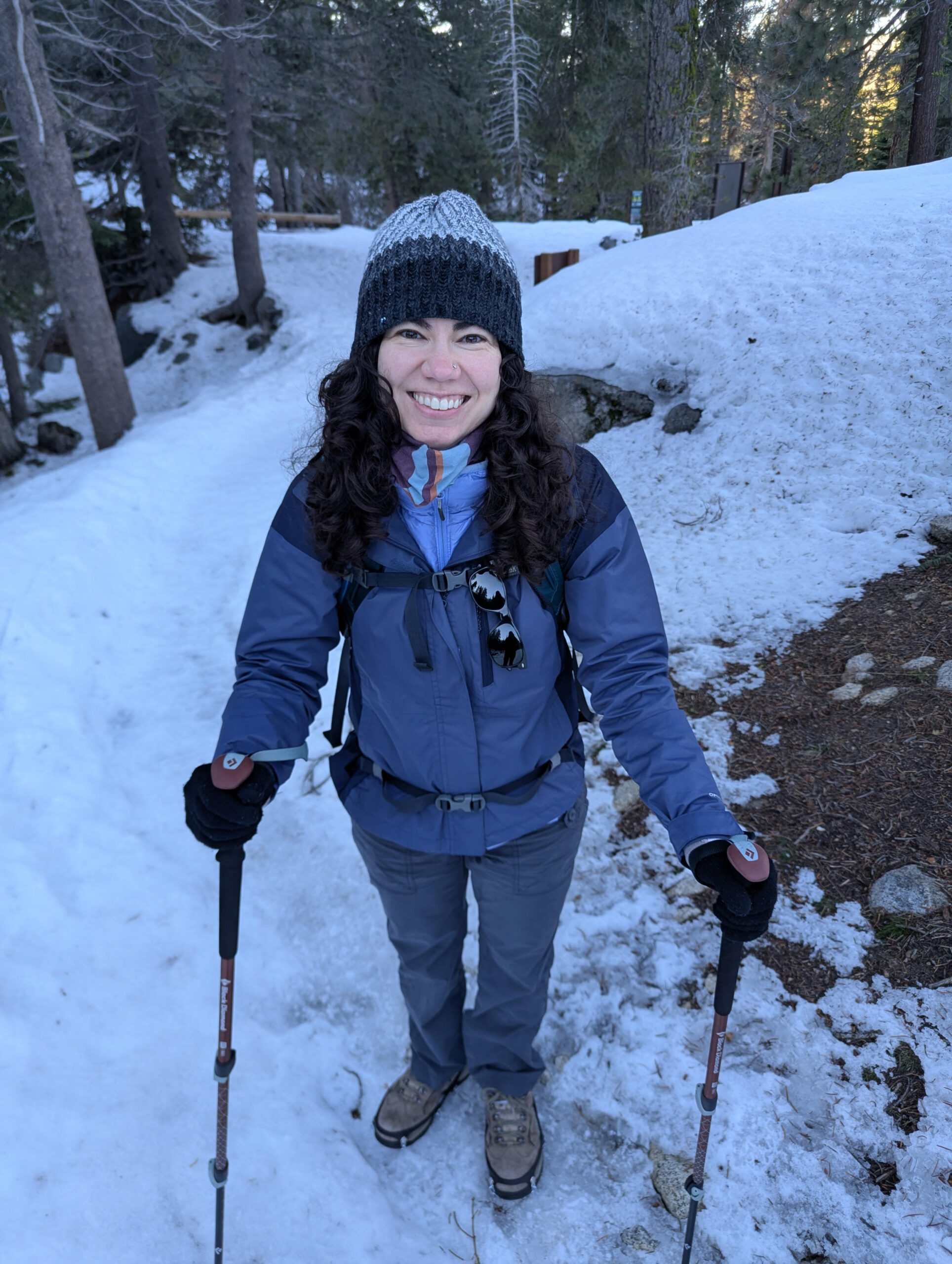
I’m Brooke, a queer therapist in San Diego. I’m a list person, so a lot of what you might want to know about me is laid out in neat little bullets below, but I’ll give you a general idea of how I work and what I stand for as a therapist.
I offer virtual individual therapy to adults in California. My work is influenced by my belief that we humans are interconnected with each other, with the Earth, and with our fellow creatures. I believe you don’t need to achieve anything or be anyone in particular to deserve to live; you’re already an important part of the web. We all belong here, and a lot of our suffering comes because we’ve been told we don’t for one reason or another. I love to help people see how they’ve been held back from fully living and then help them figure out how they actually want their life to be.
Like anyone, I’m no stranger to the suffering that’s part of being human. Whatever you’re dealing with, whatever you’ve had to do to make it to this point, your story is safe with me, and I really care about understanding who you are and what you need as a unique person.
My style
My style is depthful; if you’re a “why?” person, we will definitely explore that question many times over. I think it’s important to understand the context of what’s bothering you right now, including your past experiences, your environment, and your relationships. I ask a lot of questions to help you think deeply about things.
My number one value as a therapist is authenticity. I show up as myself (with the exception of some professional parameters of course), and want you to do the same. Humor, swearing, etc. are encouraged if that’s how you’re most comfortable. I’m an imperfect person just like everyone else and I don’t expect perfection from you. I do my best to make you feel like you won’t be judged for anything you tell me, no matter how much shame you may feel about it.
I think it’s important to be up front when I notice people getting in their own way (i.e. behaviors that aren’t helping you but may be out of your awareness). I aim to be honest with you in a respectful rather than blunt or harsh way, so that you can see things more clearly.
Areas of interest
- Anxiety, especially social anxiety
- Guilt and shame
- Existential concerns (questions about life direction, meaning, and purpose)
- Relationship issues, especially communication, breakups, etc.
- Sexual orientation and queer identity
- Perfectionism
- Intrusive thoughts, overthinking, rumination
- Passive suicidal thoughts (meaning thoughts about “not wanting to be here”, “not wanting to wake up”, etc. without intention of acting on thoughts)
- Understanding and regulating emotions
- Stress and burnout
I am also affirming and welcoming of people from various communities. These include:
- Polyamorous/Non-monogamous
- Kink
- All identities under the LGBTQ+ umbrella, including asexual people
- Trans/non-binary/other minoritized genders
- People of Color
- Disabled/neurodivergent
Modalities/guiding philosophies
Modalities
- Mindfulness – Learning to connect with the present moment
- Acceptance and Commitment Therapy (ACT) – Focus on living according to our values despite mental health challenges
- Positive Psychology – Focus on what makes life worth living and developing hope and joy
- I draw from treatments like Cognitive Behavioral Therapy when warranted
Guiding Philosophies
- Social work – Issues are not only individual, they are influenced by our environment, including societal norms, housing and neighborhoods, politics and government, our identities and whether those are valued by society, etc.
- Humanistic – People are inherently good and strive to be their best selves whenever possible
- Existential – People need to have meaning in their lives
- Psychodynamic – The past influences who we are today
- Attachment – Our earliest relationships with caregivers shape our current relationships
- Ecopsychology – Disconnection from the Earth and natural environment contributes to mental health concerns
- Neuroscience – Understanding the brain and how it works helps us navigate mental health issues